

According to Maslow, “bare necessities” include food, water, clothing, sleep, and shelter. These resources, required to survive and satisfy our psychological safety needs, have been established as fundamental basic rights by the United Nations and the World Health Organization. Yet disparate access to basic necessities remains, reinforcing and reproducing a slow violence that places individuals and communities in resource-deprived conditions, maintained by ill-conceived policy.
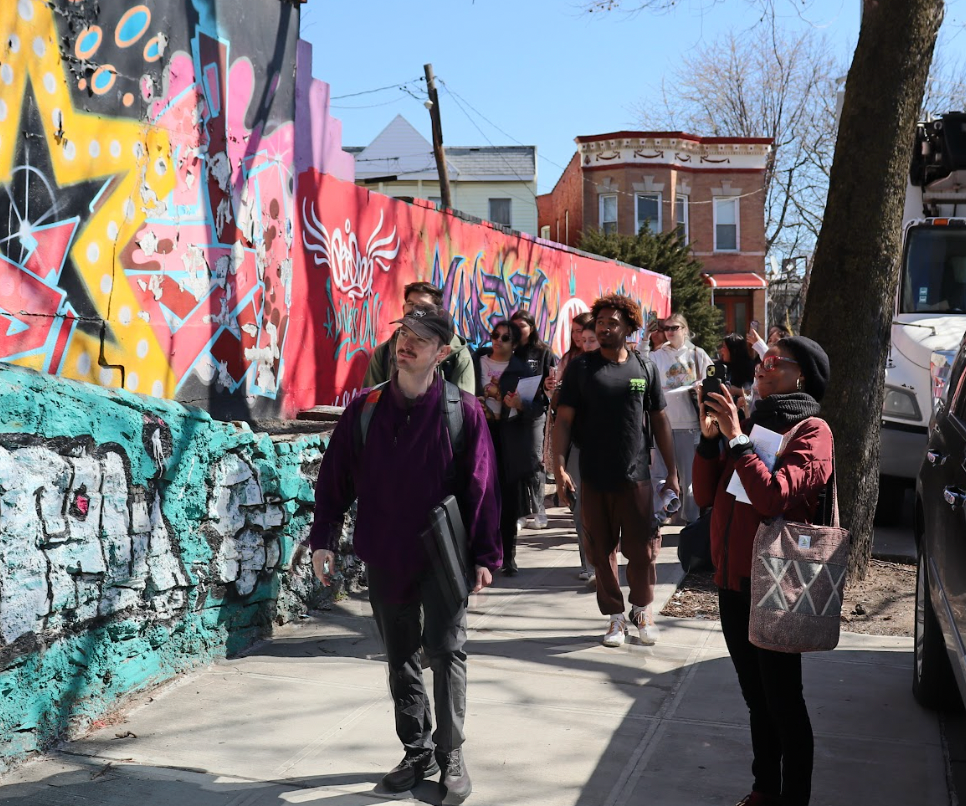
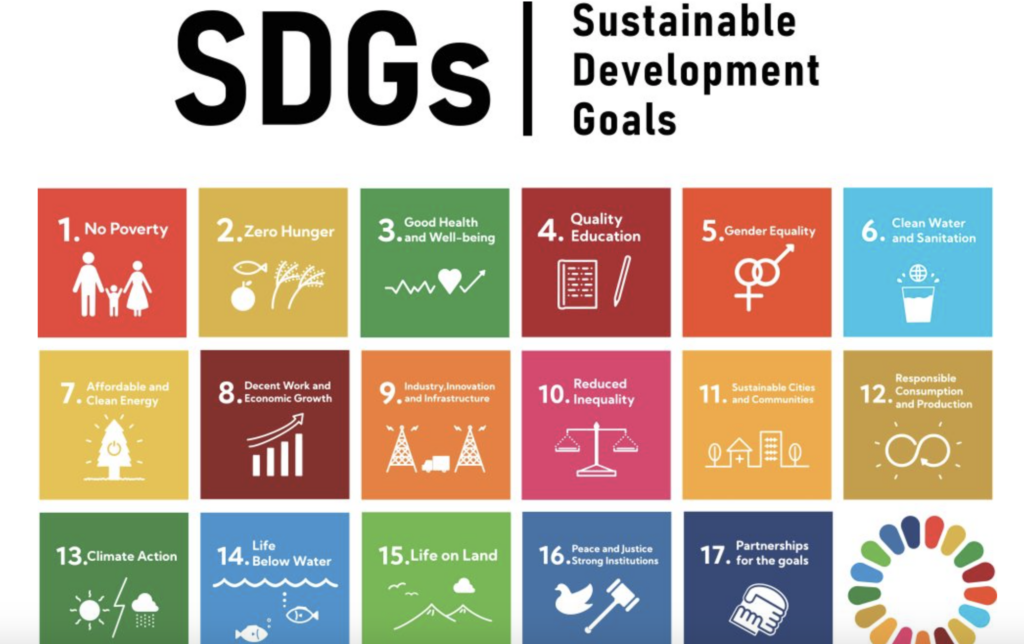
Given our focus on urban living, our work centers on how everyday urbanites live and sustain themselves in the city. How do regular folks find affordable housing in expensive cities? How do they access fresh fruits and vegetables? These questions lie at the heart of the work we do. It is intentional and experiential. Talking to residents, synthesizing narratives (e.g., via storytelling), and auditing neighborhoods (i.e., walking + field documenting + mapping) helps us to understand the scope of real issues. By prioritizing communities first and framing our findings in digestible ways, solutions are community-led and designed to be actionable and impactful. We are policy-relevant, grounded in real systems and real people, focused on implementation and translation. Much of our work maps onto sustainable development goals focused on sustainable cities, gender equity, and food sovereignty.
Our recent work on food sovereignty and housing affordability includes a new oral history archive of urban food growers, a Bronx food map, and other community-led participatory projects. This research will be featured at the 2026 Food x Housing Conference in the Bronx, NYC, organized by our lab in collaboration with Henry Obispo and the Center for Community-Engaged Learning at Fordham University. We invite reflections and feedback from community members, organizations, and policymakers on our work and strategies aimed at improving food-housing access for Bronxites and making New York affordable again. Interested in joining us? Write to us here!