New research examines how globalization, population aging, and migration trends have contributed to cities as a hub for aging-in-place. The question remains, however, how are cities ensuring age-friendly environments for the ever-growing graying population? Our research considers the opportunities, challenges, and solutions of aging-in-place in cities, including issues of affordability, displacement risk, precarity, and homelessness.
Using a variety of mixed-methods (e.g., Photovoice, digital geographies, and community mapping), we investigate what neighborhoods look and feel like as they change, and in some cases, gentrify. At the same time, we are interested in understanding the communities that older adults engage with as they grow older – both online and physically. Specifically, which types of communities and social engagement buffer against social isolation and loneliness? Altogether, we explore how adults perceive changing cities and neighborhoods, their sense of belonging, perceived social isolation, and how these perceptions impact the aging-in-place experience.
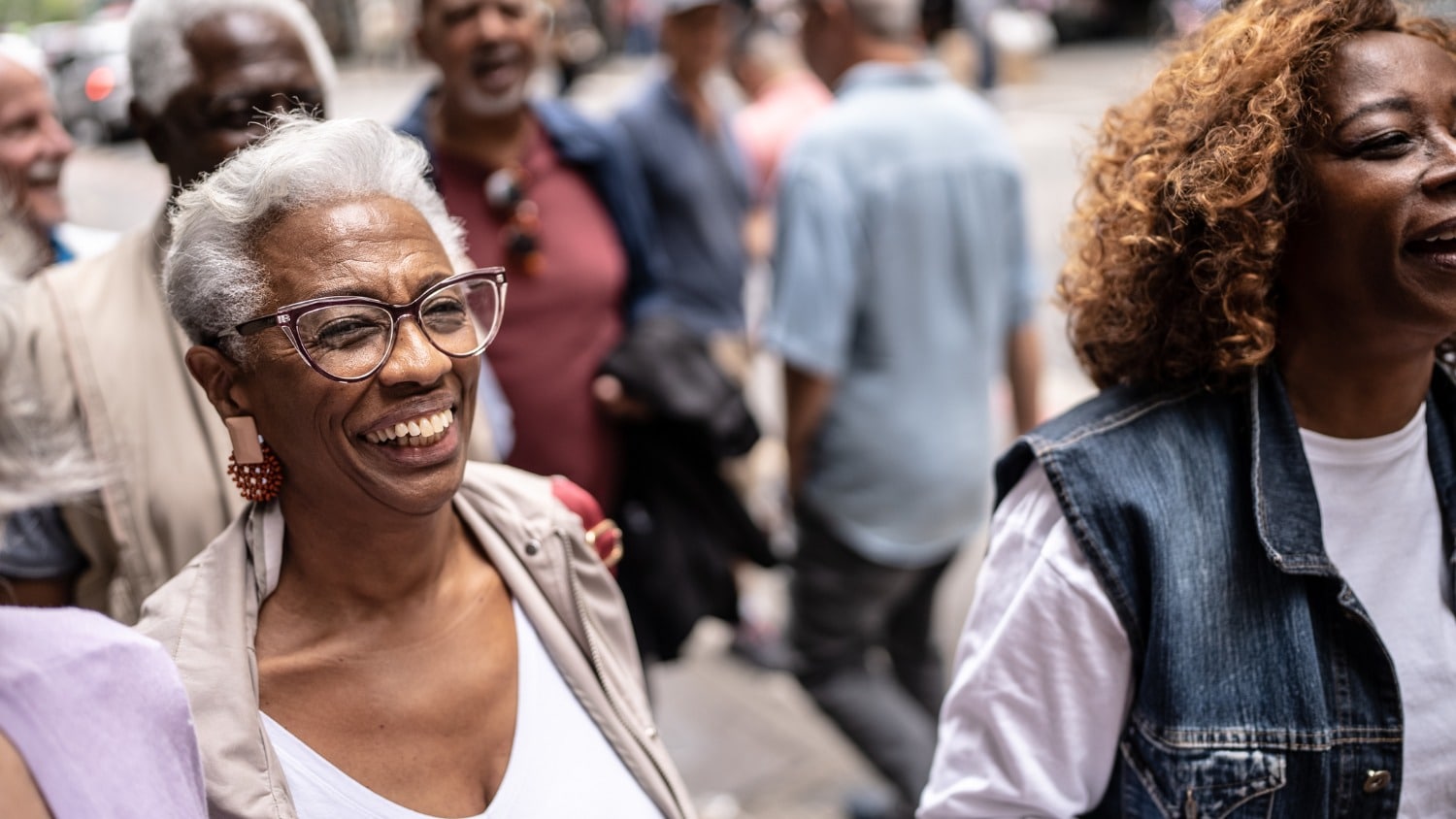
In a recent study, we find that ‘Aging While Black‘ presents departures from conventional literature on aging alone in cities. Black women are increasingly solo aging, particularly in urban areas, yet we find that they do not report significantly worse health or increased loneliness. Based on a sample of Black women living alone in Philadelphia, PA, community connection through social capital appears to be protective and an important factor in avoiding loneliness. Our partnership with Sistahs Aging with Grace & Elegance (SAGE) will further explore these trends among Black women in an in-depth qualitative study co-led by Carlene Davis.